Obama’s Unkept Promise to 9/11 Families: Releasing the 28 Pages

Photo: Elizabeth Cromwell

By Brian McGlinchey

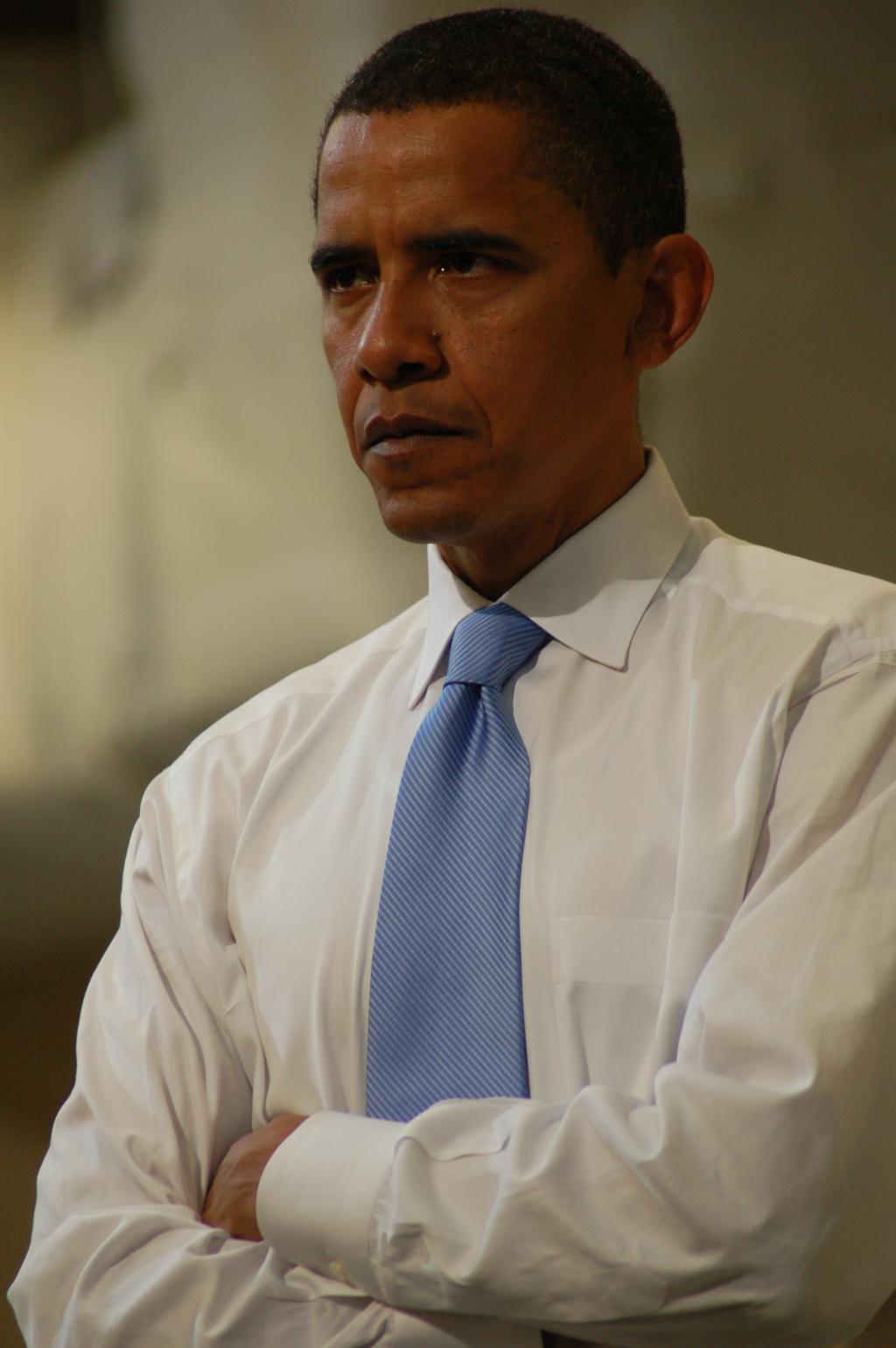
Americans have grown accustomed to broken promises from politicians. And yet, some lapses are so striking that they can muster indignation from even the most jaded political observer. Case in point: President Obama’s personal assurances to 9/11 family members—on two separate occasions—that he would declassify a 28-page finding on foreign government support of the hijackers.

“I will get them released”

It’s one thing to neglect a broad policy promise made in the heat of an election, and another thing altogether to renege on a personal commitment to 9/11 family members—but that’s precisely what Obama is doing, based on accounts provided by Kristen Breitweiser and Bill Doyle, who each lost loved ones in the September 11 attacks.

Breitweiser—whose husband, Ronald Breitweiser, worked in the South Tower of the World Trade Center and was the father of a then-two-year old girl—told the Philadelphia Inquirer Obama’s assurance to her came at a meeting with 9/11 survivors at the Eisenhower Executive Office Building in February 2009, just weeks after he’d taken office:

“We had opportunities to raise our hands and ask questions, and I asked him whether he would be interested in releasing the 28 pages, because for years we had been trying to get President Bush to do it,” said Breitweiser…

Obama “said absolutely, I don’t see why not. The bottom line is he agreed to do it, and he gave me and the rest of the world his promise,” Breitweiser said.

Had that been Obama’s only statement on the issue, one might be tempted to dismiss it as a careless comment by a new president caught off-guard, one who may have changed his mind upon reading the 28 pages himself. However, Bill Doyle—whose 25-year old son, Joe Doyle, was killed in the World Trade Center’s North Tower—says Obama gave him an even more pointed commitment more than two years later. Again, from the Philadelphia Inquirer:

Bill Doyle’s recollection of his chat with President Obama remains crystal clear. To mark bin Laden’s demise, Obama had laid a wreath at the former site of the World Trade Center on May 5, 2011, and met later in the day with families of victims of the Sept. 11 terrorist attacks at a reception near ground zero.

The president stopped at Doyle’s table midway through the event, and Doyle asked when the government would make public portions of a congressional investigation that weighed evidence that Saudi Arabia provided support to the 9/11 hijackers.

He said, ‘Bill, I will get them released,’ ” Doyle recalled.

Declassifying the 28 Pages: Well Within President’s Power

Some presidential promises require a cooperative Congress, but this isn’t one of them. To honor his commitment, Obama doesn’t need to line up votes—all that’s required is a single stroke of his presidential pen. Given his previous warnings to Congress that he’s willing to use that same pen in ways that are constitutionally controversial, it’s particularly jarring that he would fail to act in this situation, where his authority is unquestioned.
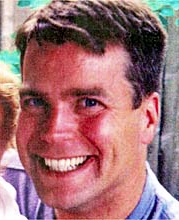
Ronald Breitweiser: Killed on 9/11
Ronald Breitweiser: Killed at the World Trade Center on 9/11

The families of September 11 victims and their fellow citizens deserve to know what the U.S. government has learned about who enabled the 9/11 attacks—and what the CIA, FBI and other agencies did with the intelligence they had before that day. An increasingly wide variety of present and former government officials agree, including the Chairman and Vice Chairman of the 9/11 Commission, and the Republican and Democratic co-sponsors of House Resolution 428, which urges the President to declassify the 28 pages.

According to Rep. Thomas Massie—who read the 28 pages and described the experience as “disturbing”—declassifying the redacted finding wouldn’t jeopardize national security, but would trigger “anger, frustration and embarrassment.” If so, it appears Obama’s decision about declassifying the 28 pages values his own convenience more than his personal pledges to those most profoundly affected by 9/11.

28Pages.org is committed to bringing the redacted intelligence finding on foreign government support of the 9/11 hijackers to light.  Add your own voice to the growing, bipartisan movement to declassify the 28 pages today. Call the White House and ask President Obama to honor his commitment. Then call your House representative and urge them to cosponsor H.Res.14—our handy guide makes it easy. 

REDACTED w911

Call Congress today and help bring the 28 pages into daylight.

Keep up with the drive to declassify: Follow us on Twitter and Facebook.

9/11 Commission Chair, Vice-Chair Say 28 Pages Should Be Declassified

Yesterday, at an event marking the 10-year anniversary of the 9/11 Commission Report, Matthew Sellitto—whose son, Matthew C. Sellitto, was on the 105th floor of the World Trade Center’s Tower One—asked the former chairman and vice chairman of the 9/11 Commission for their thoughts on the continued classification of a 28-page House/Senate inquiry finding on foreign government support of the 9/11 hijackers.

Both Lee Hamilton and Thomas Kean were forceful in declaring that the passage should be declassified—with Hamilton emphasizing that it never should have been fully redacted in the first place. Their remarks aired on C-SPAN.

Video: Rep. Massie on the Experience of Reading the 28 Pages

At a March 12, 2014 press conference called to support HRes 428—which urges President Obama to declassify the 28 pages from the joint House-Senate intelligence inquiry into 9/11—Kentucky Representative Thomas Massie described the experience of being escorted to a soundproof room to read the redacted section, and his personal feelings as he learned for the first time precisely what is being concealed from the public.

His remarks are striking, as is his conviction that the information should be declassified. Indeed, his words played no small role in prompting the launch of 28Pages.org.

We’ve cued up the video to that particular part of his statement, but it’s worthwhile to listen to him from the beginning as well. Please share this page: Representative Massie’s remarks serve as a concise and impactful introduction for those who are not aware that their government isn’t sharing all it knows about 9/11.

REDACTED w911We need every member of Congress to read the 28 pages and support their release. Call or write with our help today. 

Foreign Government Involvement in 9/11 Shouldn’t Stay Secret

And that’s why we’ve launched 28Pages.org. More than a website, it will serve as an information and activism hub for citizens, elected officials and journalists who want to follow or join the growing, bipartisan movement to declassify a 28-page finding about foreign support for the 9/11 terrorists.

The 28-page redaction at issue is found in the report of the Joint Inquiry into Intelligence Community Activities Before and After the Terrorist Attacks of September 11, 2001. Not to be confused with the 9/11 Commission, this inquiry was a separate undertaking of the House and Senate intelligence committees.

While the resulting 838-page volume features many redacted words, sentences and paragraphs, President George W. Bush’s censorship of this particular section was comprehensive: 28 consecutive pages fully masked from public view, with only a few introductory paragraphs left intact. Within what little that is visible, we find the inquiry reviewed “FBI and CIA documents suggesting specific potential sources of foreign support for the September 11 hijackers.”

Though some argue for continued deference to President Bush’s decision and President Obama’s inaction in reversing it, a growing number from both sides of the aisle are calling for declassification, united by two shared conclusions:

  • There’s no national security justification for the comprehensive redaction of this section. 
  • Citizens deserve to know about foreign support for the 9/11 attacks.

The growing drive to declassify this section doesn’t spring from passive curiosity. Rather, it is compelled by a near-universal interest in:

  • Securing justice for 9/11 victims. Such justice is often pursued via military and diplomatic action, but it can also come in a courtroom: Victims and families are pursuing civil action against countries they believe to be complicit in the 9/11 attacks.
  • Preventing future attacks. Warding off future terrorist attacks necessitates an accurate and shared understanding of the most devastating attack to date.
  • Pursuing a rational foreign policy. For both policymakers and the citizens from whom their power flows, it’s essential to fully understand the misdeeds and motives of foreign governments that aided Al Qaeda in its preparation for September 11…lest we continue policies that actually reinforce the maintenance of power by guilty parties.

With a firm commitment to well-sourced facts and sound reasoning, 28Pages.org explores the many facets of this issue and shines a spotlight on the stances taken by elected officials, as we strive to facilitate the long-overdue disclosure of what lies in those 28 pages.